Siesta in Spain: A Simple Way to Enjoy Life More

A good life is not only built from big decisions. It is also shaped by the small pauses we allow ourselves.
In Spain, the siesta has long stood for that pause. It suggests a slower rhythm, a break in the heat of the day, a meal taken without rushing, and a short rest before life starts again. For many visitors, the idea feels almost romantic. Shops close. Streets quiet down. Lunch stretches longer than expected. The afternoon seems to breathe.
The truth is more practical, and also more useful. Not everyone in Spain takes a daily nap. Modern work schedules, long commutes, tourism, and city life have changed the habit. Still, the spirit of the siesta remains one of Spain’s most appealing lessons: life feels better when the day has room to stop.
That lesson travels well. You do not need to live in Seville or Valencia to learn from it. You only need to rethink the way a day can be divided, and what it means to enjoy your life more.
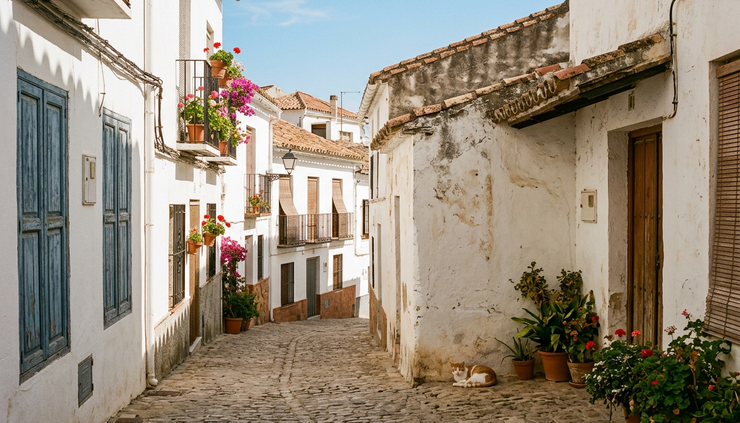
The siesta grew from climate, food, and daily life
The siesta is often described as a charming Spanish tradition, but it grew from very real conditions.
In much of Spain, summer afternoons can be intensely hot. Before air conditioning became common, the middle of the day was not the best time for heavy work, shopping, or travel. People made better use of the cooler morning and evening hours. The hottest part of the day became a natural time to eat, rest, and stay indoors.
The word “siesta” is often linked to the Latin expression for the sixth hour of the day, counted from sunrise. That placed it around midday or early afternoon. Over time, the word came to mean a short sleep or rest after lunch.
Food also matters. Spanish lunch is often the main meal of the day. In many homes, it can be larger and more social than dinner. A proper lunch asks for time. It slows the body down. It creates a natural break between the first and second half of the day.
This is why the Siesta in Spain is not just about sleep. It is about a daily structure:
Work or school in the morning
A larger lunch
A pause during the hottest hours
A return to activity later in the day
Dinner and social life in the evening
That rhythm can surprise people from cultures where lunch is short and the workday pushes straight through. In Spain, the day often stretches later. Dinner may happen later than expected. Families and friends may meet in the evening, when the heat has softened and the streets feel alive again.
The siesta fits into that broader pattern. It is one part of a different way to spend time.
The real siesta is quieter than the stereotype
The stereotype says Spain shuts down every afternoon while everyone sleeps for hours. That picture is too simple.
In big cities like Madrid and Barcelona, many people work regular schedules. Major stores, museums, restaurants, and tourist services often stay open through the day. Office workers may not have time to go home for lunch. Parents have school runs, errands, and modern responsibilities. Life is busy in Spain too.
The siesta is easier to notice in smaller towns, traditional neighborhoods, and during very hot months. A family-owned shop may close after lunch and reopen in the evening. Streets may grow quiet for a while. Restaurants may pause between lunch and dinner service.
For visitors, this can feel confusing at first. A store that was open at noon may be closed at 3 pm. A quiet street may come back to life after 6 pm. The day has not ended. It has shifted.
That shift teaches something valuable. Rest does not have to mean laziness. A pause can be part of a productive, social, and full life.
Many people who admire the siesta are not really longing for a nap. They are longing for permission.
Permission to stop eating lunch at a screen.
Permission to step away from noise.
Permission to let the body follow the day, rather than forcing every hour to feel the same.
Permission to enjoy an afternoon without guilt.
A siesta can be sleep, but it can also be stillness. It can be lying down for twenty minutes, reading in the shade, sitting quietly after lunch, or taking a slow walk before returning to the rest of the day.
The point is not to escape life. The point is to return to it with more presence.
Why a pause can help you enjoy life more
Modern days often flatten everything into one long push. Wake up, work, answer messages, eat quickly, keep going, scroll, sleep. Repeat.
The siesta interrupts that pattern.
A midday pause creates a small border inside the day. Morning becomes one chapter. Afternoon and evening become another. That alone can make life feel less rushed.
There are a few simple reasons this works.
It gives lunch the respect it deserves
In many places, lunch has become a task. Something grabbed, packed, eaten standing up, or rushed between obligations.
Spanish culture often treats lunch as a real meal. Not every day is a long family lunch, of course, but the cultural ideal is different. Food deserves attention. Conversation belongs at the table. The body needs a moment to digest before being asked to perform again.
That approach can change the feel of a whole day. A relaxed lunch does not need to be fancy. Bread, tomatoes, olive oil, rice, fish, vegetables, fruit, or leftovers can become enough when eaten slowly.
Enjoyment grows when attention returns to ordinary things.
It respects natural energy dips
Many people feel lower energy in the early afternoon. That does not mean something is wrong. The body has rhythms. After lunch, alertness can dip, especially after a short night or a heavy meal.
Pushing through that dip with more caffeine and more pressure can work for a while, but it often leaves the evening feeling flat.
A short rest can help the day feel less like a battle. For some people, that means a brief nap. For others, it means no phone, dim light, quiet music, or simply closing the eyes for a few minutes.
Keep it modest. A long nap late in the day can make bedtime harder. A short pause is usually closer to the spirit of siesta than a full afternoon in bed.
It makes space for evening life
One of the pleasures of Spain is the evening. In many towns and cities, people appear again after the afternoon heat. Families walk together. Friends meet outside. Plazas fill. Children play. Older neighbors sit and talk.
This is easier when the day has not consumed every bit of energy by 5 pm.
A pause in the afternoon can protect the evening from becoming only recovery time. It can leave room for a walk, a meal with others, a hobby, or a quiet hour outside.
That may be the deepest lesson of the siesta: rest is not only about stopping. Rest helps make room for living.

How to bring the siesta spirit into any life
You do not need a Spanish schedule to borrow the best part of the siesta. The goal is not to copy another culture perfectly. The goal is to create a healthier relationship with time.
Start small. A forced two-hour break will not fit most lives. A short, repeatable pause is better.
Protect a real lunch break
Choose one or two days each week to eat lunch without doing anything else. No inbox. No errands. No rushing.
If possible, step away from the place where you work or handle daily tasks. Sit near a window. Eat outside. Use a real plate. Make the meal feel like a moment instead of a fuel stop.
This sounds simple because it is. That is why it works.
Try a short rest after eating
After lunch, give yourself ten to twenty minutes of quiet. Set a timer if needed. The timer helps you relax because you do not have to watch the clock.
You can lie down, sit back, close your eyes, or breathe slowly. If sleep comes, fine. If not, the rest still counts.
Avoid turning the pause into another task. You do not need a perfect room, special music, or a strict routine. Comfort and quiet are enough.
Let the hottest or heaviest part of the day be gentler
The old siesta rhythm respected heat. Even if heat is not your main issue, every day has a heavy part. It may be after lunch. It may be late afternoon. It may be the hour when everyone wants something from you.
Look for the part of the day that regularly feels tight, rushed, or drained. Then soften it.
That might mean:
Scheduling demanding work earlier
Taking a walk after lunch instead of checking messages
Keeping afternoons lighter when possible
Moving social plans to the evening
Creating a quiet household hour on weekends
The siesta mindset asks a useful question: where does the day need more breathing room?
Make evenings worth saving energy for
A better afternoon pause should lead to a better evening.
Plan something small that gives the later part of the day meaning. Cook a simple dinner. Walk around the block. Call someone you love. Sit outside. Read. Stretch. Meet a friend. Play with a child. Water plants.
The activity matters less than the feeling. The day should not end as soon as work ends. A life with pleasure needs small rituals that belong to no one else.
What travelers should know about siesta in Spain
If you visit Spain, the siesta rhythm can shape your day in practical ways.
In larger cities and tourist areas, you will find plenty open during the afternoon. In smaller towns, some shops and local businesses may close after lunch and reopen later. Restaurants often follow their own meal rhythm, with lunch served earlier in the afternoon and dinner starting later than visitors from some countries expect.
A few simple habits help:
Check opening hours before making a special trip.
Plan errands for the morning or early evening.
Treat the quiet afternoon as part of the experience.
Use the pause for lunch, rest, reading, or shade.
Save energy for the evening, when many places feel livelier.
The siesta can frustrate travelers who expect constant convenience. It rewards those who adjust.
Instead of seeing closed shutters as a problem, see them as a clue. The place is moving by another clock. Follow it for a day or two, and Spain may feel less like a destination to consume and more like a rhythm to enter.
The simple lesson behind the siesta
The siesta survives in the imagination because it answers a need many people feel. It says a day can have a middle. It says rest can be normal. It says pleasure does not always have to wait for vacation, retirement, or a free weekend.
Spain did not invent the idea of resting in the afternoon, and modern Spain does not live by one single schedule. Still, the siesta remains a powerful symbol because it makes a quiet promise: life can be arranged with more care.
Not every day allows a nap. Not every job allows a long lunch. Not every season of life leaves much space. But most people can create one small pause and protect it.
Start there.
Eat one meal more slowly. Close your eyes for ten minutes. Step outside when the heat fades. Let the evening become a second beginning.
A fuller life may not require a dramatic change. Sometimes it begins with a simple stop in the middle of the day.


Comments