Spanish olive oil is among the best in the world

Updated: 2 days ago
When people think of olive oil, they often think of Italy. Yet, a large portion of the world’s best olive oil actually comes from Spain—and for good reason. Spain boasts centuries-old olive groves, an impressive variety of olive cultivars, and producers who have placed a strong emphasis on quality in recent years.
Spanish olive oil has long since evolved beyond a mere kitchen staple. In regions such as Andalusia, Catalonia, Castile-La Mancha, and Extremadura, producers are crafting oils with distinct character: some are green and peppery, others soft and fruity, some herbaceous, and others smooth and buttery. This diversity makes Spanish olive oil especially compelling for those who enjoy cooking, tasting, and making more informed choices when shopping.
Spain has everything that good olive oil requires
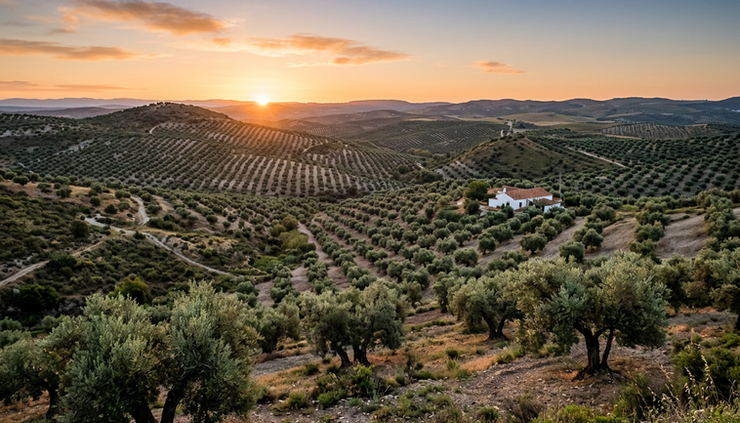
For years, Spain has been one of the world’s most important olive oil-producing nations. The country boasts vast olive-growing regions, abundant sunshine, dry summers, and soil in which olive trees thrive. While this combination does not automatically guarantee top quality, it certainly provides a strong foundation.
Andalusia, in particular, plays a major role. Provinces such as Jaén, Córdoba, Seville, and Granada are filled with olive trees; in Jaén, the landscape seems to stretch on endlessly, covered in rows of olive trees. It is one of the best-known olive oil regions in Europe.
However, Spanish olive oil is not defined by a single flavor profile. In Catalonia, for instance, you often find more elegant, milder oils. In Castilla-La Mancha, the oils can be robust and spicy, while Extremadura produces fruity, highly accessible styles. These regional variations make the country truly fascinating.
Another strength of Spanish olive oil lies in the blend of tradition and modern technique. Many producers now harvest earlier, press the olives sooner after picking, and pay closer attention to temperature, exposure to oxygen, and storage conditions. While this may sound technical, the results are immediately apparent: fresher aromas, more notes of green fruit, and a more vibrant, less flat flavor profile.
High-quality olive oil is delicate; light, heat, and oxygen can all compromise its taste. Consequently, Spanish producers focused on quality treat their oil much like winemakers treat their wine—carefully timing the harvest, keeping different plots or olive varieties separate, and storing the oil with great precision in stainless steel tanks.
As a result, the assertion that Spanish olive oil ranks among the best in the world is more than just a catchy headline—it is a claim you can experience for yourself, in your glass and on your plate.
The olive varieties largely determine the flavor
An important reason why Spanish olive oil is so versatile lies in the olives themselves. Spain is home to many olive varieties, each with its own distinct aroma, flavor, and texture. Learning to recognize these varieties allows for much more targeted choices.
Picual is robust and green
Picual is arguably the most well-known Spanish olive variety. It is particularly common in the province of Jaén and produces oils with a distinct character—evoking notes of green tomato, freshly cut grass, olive leaf, and artichoke, often accompanied by a noticeable peppery kick in the throat.
Picual can be quite pungent, especially when the olives are harvested early. This pungency is not a flaw; rather, it is a sign of fresh oil rich in phenolic compounds—natural substances that contribute to both the flavor and the stability of the oil.
Picual pairs well with:
grilled vegetables
tomato salad
bread with coarse sea salt
legumes
stews (added just before serving)
A few drops of a robust Picual can instantly add greater depth to a simple dish.
Arbequina is mild and accessible
Arbequina It is common in Catalonia, but is also cultivated elsewhere in Spain. This oil is generally milder, rounder, and fruitier. You may detect notes of apple, almond, ripe banana, or subtle herbs.
Arbequina is a great choice for those who find some olive oils too bitter or sharp. It works beautifully in cold preparations, with fish, mild cheeses, steamed vegetables, and even in certain baking recipes.
Because of its well-rounded character, Arbequina is often an ideal entry-level olive oil. It is subtle enough not to overpower delicate flavors.
Hojiblanca brings balance
Hojiblanca is primarily found in Andalusia. Its profile often falls somewhere between Picual and Arbequina; it can be green and herbaceous, yet also possess a rounder mouthfeel. You might pick up notes of almond, grass, herbs, or a hint of bitterness.
Hojiblanca is highly versatile in the kitchen. It pairs well with salads, chicken, white fish, roasted bell peppers, potato dishes, and cold sauces.
Cornicabra offers spice and persistence
Cornicabra is most closely associated with Castile-La Mancha. This oil can be herbaceous, full-bodied, and slightly bitter, with a long finish. While less familiar to many consumers, it is certainly worth discovering.
If you enjoy bold, pronounced flavors, try Cornicabra with roasted meat, grilled eggplant, or hearty winter vegetables.
Extra virgin is the category that matters
Not all olive oils are of the same quality. Labels may feature terms such as "olive oil," "virgin olive oil," or "extra virgin olive oil." For the best flavor, you should generally choose extra virgin olive oil. Extra virgin means that the oil has been obtained mechanically, without refining, and meets strict chemical and sensory standards. Simply put: the oil must be technically sound and free from flavor defects.
A good extra virgin oil has a fresh aroma. You might detect notes of fruit, grass, herbs, nuts, tomato, or green almond. It may also have bitter or peppery qualities. What you do not want to smell or taste are musty, rancid, wine-like, or flat notes.
Keep these points in mind when making a purchase:
Harvest year
Preferably choose a recent harvest. Olive oil does not improve with age.
Dark bottle or can
Protection against light helps preserve quality.
Origin
A clearly identified region, producer, or finca inspires more confidence than a vague blend lacking context.
Olive variety
If the grape variety is mentioned, it often says something about the producer’s level of attention.
DOP or protected designation of origin
Spanish oils with a protected designation of origin follow specific rules regarding origin and production.
Price alone doesn’t tell the whole story. There are expensive disappointments and affordable surprises. Nevertheless, truly top-tier oil comes at a cost. Early harvesting yields less oil, superior processing requires investment, and careful storage entails expense. An exceptionally inexpensive extra virgin olive oil may be perfectly fine for everyday use, but don’t always expect the same level of complexity you would find from a small-scale, high-quality producer.

You taste good Spanish olive oil with your nose and throat
Tasting olive oil doesn’t have to be complicated. You don’t need a professional tasting glass to tell the difference between a bland oil and a high-quality extra virgin olive oil.
Pour a small amount into a glass or small bowl. Warm it briefly with your hand. Start by smelling it. A good oil has a distinct aroma—sometimes subtle, sometimes pronounced—reminiscent of green grass, tomato leaf, apple, artichoke, almond, or fresh herbs.
Next, take a small sip. Let the oil roll over your tongue and draw in a little air. It might feel a bit unusual, but it helps release the aromas. Pay attention to three things:
Fruitiness
This refers to the scent and flavor of healthy olives. Fruitiness can be "green" (unripe) or "ripe."
Bitterness
A bitter note is characteristic of many high-quality oils, especially those made from early-harvest, green olives.
Pungency
A peppery sensation in the throat is normal; some oils might even make you cough slightly.
These three elements should be in balance. A robust Picual might be intense, but never unpleasant. A delicate Arbequina might be mild, but never odorless.
Color is less important than many people think. Some excellent oils are bright green, while others are golden yellow. Professional tasters often use colored glasses so that the color does not influence their judgment.
A simple test is to use bread or tomato. Dip a piece of good bread into the oil, or drizzle it over a ripe tomato with a pinch of salt. A mediocre oil will simply fade into the background, whereas a high-quality oil will elevate the entire dish.
In the kitchen, Spanish olive oil is more versatile than many people realize.
Many people save their best olive oil exclusively for salads. That is understandable, but Spanish olive oil is capable of much more. Extra virgin olive oil is suitable for both cold and hot preparations—provided you use it with a bit of common sense.
For cooking at moderate temperatures, a stable extra virgin olive oil works perfectly; the Picual variety, in particular, is known for its excellent stability. While some chefs prefer a more neutral oil for very high-heat cooking or deep-frying, olive oil has long been used extensively across the board in Spanish cuisine.
The real secret lies in using the right oil at the right moment.
Use a mild Arbequina for:
mayonnaise
yogurt-based sauces
steamed fish
young cheeses
cakes or citrus-flavored pastries
Use a robust Picual for:
gazpacho
grilled vegetables
lentils or chickpeas
fried eggs
toasted bread with tomato
Use Hojiblanca or Cornicabra for:
oven-baked potatoes
roast chicken
roasted cauliflower
spiced marinades
tapas featuring bell peppers or anchovies
A simple way to get more out of your olive oil is to add it at the very end. A spoonful drizzled over soup, pasta, roasted vegetables, or beans adds both aroma and a beautiful sheen. This allows you to better appreciate the quality of the oil, rather than having its character diminished by long exposure to heat during the cooking process.
Spanish olive oil can also work surprisingly well with classic Belgian dishes. Try a dash of Picual over grilled asparagus, Arbequina in a vinaigrette for Belgian endive, or Hojiblanca served with roasted potatoes. You don’t have to cook Spanish recipes for Spanish olive oil to truly shine.
Why top-quality Spanish olive oil is sometimes underestimated
Spain produces a large quantity of olive oil. While this scale has its advantages, it also gives rise to a misconception: some people equate high production volume with mediocre quality. This is simply not the case.
A major olive oil-producing nation is capable of creating both simple, bulk-market products and exceptional, high-end oils—and Spain does both. In supermarkets, you can find basic oils for everyday use, while specialized shops, delis, and quality online retailers offer bottles from producers who strive for absolute excellence.
A second factor is image. For a long time, Italian olive oil enjoyed a stronger culinary reputation internationally. That does not mean it is always superior; Italy produces wonderful oil, as does Greece. However, Spain deserves equal recognition—especially since many Spanish producers have, in recent years, begun to assert their own distinct identities more clearly.
They bottle by olive variety, by region, or even by individual plot of land. They include harvest dates on their labels. They invest in design, but more importantly, in improved processing methods. They submit their oils to competitions and are building more direct relationships with consumers.
This makes Spanish olive oil one of the most exciting categories in the world of Mediterranean products today.
How to store a good bottle without losing quality
Buying a high-quality bottle is one thing; storing it properly is just as important. Olive oil does not fare well when exposed to light, heat, or air. Therefore, avoid keeping the bottle next to the stove—even if it might be convenient.
Store olive oil:
in a dark cupboard
tightly sealed
away from heat sources
ideally in its original dark-colored bottle or in a tin
and consume it within a reasonable timeframe after opening
Do not buy an enormous container if you don’t use much oil. A small bottle that is finished quickly will provide a better experience than a large jug that sits open for months. Smell the oil from time to time. If it smells like stale nuts, wax crayons, or greasy cardboard, it has likely oxidized. While it is not dangerous in typical culinary quantities, its delicate flavor will have been lost. It is best to avoid using such oil for salads or as a finishing touch.
Making the best choice starts with curiosity
Spanish olive oil deserves a permanent place alongside the well-known bottles from Italy and Greece. This is not because one country is inherently better than another, but because Spain offers an exceptional range. From the mild Arbequina to the peppery Picual, and from accessible, everyday oils to complex extra virgin varieties for true enthusiasts—the selection is vast.
You don’t need to be an expert to make better choices. Start simple: buy two different Spanish extra virgin olive oils, each made from a different olive variety. Taste them side by side—try them on bread, with tomato, or even on a spoonful of white beans. Pay attention to the aroma, the level of bitterness, and the peppery kick. Once you’ve done this, it becomes much easier to understand which oil best complements a particular dish.
The biggest surprise is often just how vibrant a high-quality olive oil can be. It is not merely a neutral fat; it is a flavor enhancer in its own right. And this is precisely where Spain’s strength lies: a deep-rooted tradition, immense variety, and an ever-growing number of producers proving that their olive oil ranks among the very best in the world.


Comments